Trust Attorney in North Charleston
Clear Trust Planning Guidance for Families in This Part of South Carolina
Many families reach a point where they wonder if their current plans truly protect the people they care about. You might have a basic will, no documents at all, or an old trust that no longer fits your life. When you start asking whether your family would face a difficult probate process or conflict if something happened to you, it is time to speak with a trust attorney North Charleston residents can rely on for clear direction.
At PMC Law Firm, we focus our work on probate, estate planning, and related legal matters across South Carolina. Our goal is to help you understand whether a trust fits your situation, how it would work with your other documents, and what steps you can take right now to protect your family and your assets. We explain your options in plain language so you can make informed decisions with confidence.
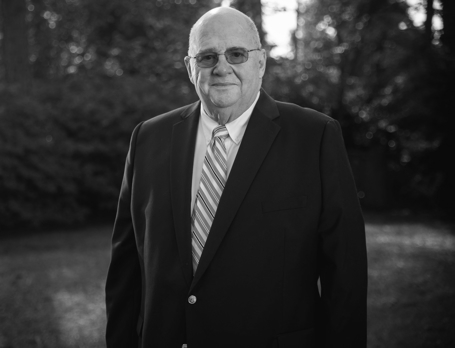
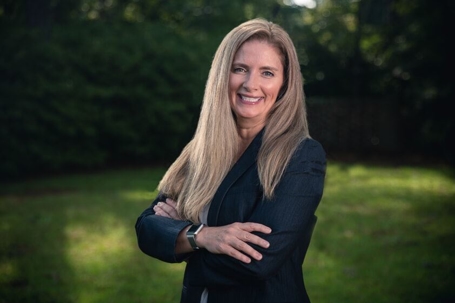
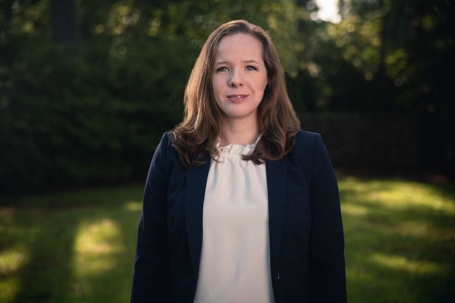
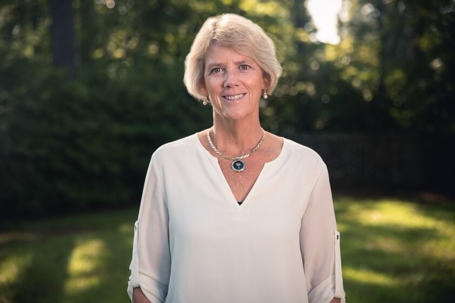
Our team includes attorneys with significant experience in both public service and private practice. This background helps us guide clients through trust planning and administration with a clear understanding of how South Carolina probate courts approach these issues. If you are ready to understand your options and create a plan that reflects your values and your family’s needs, we are here to help.
Get comprehensive legal guidance from a skilled trust attorney. Call (800) 914-0620 or contact us promptly to schedule your consultation.
Why Families in the North Charleston Area Turn to PMC Law Firm for Trust Planning
Choosing someone to help with your trust is not only a legal decision. It is also a choice about who you want walking beside your family through some of life’s most personal conversations. Families in and around North Charleston come to us because trust and estate planning are not side projects for our firm. They are at the center of what we do every day.
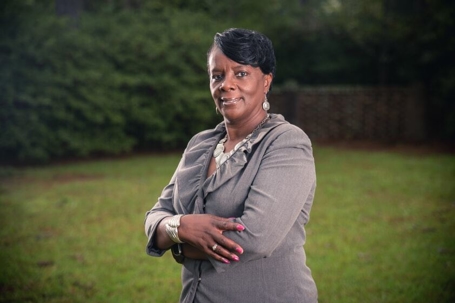
Our founding partner, Tiffany Provence, is a former Probate Judge and was one of the youngest female judges in South Carolina history. That experience offers an uncommon perspective on how probate courts review wills, trusts, and related documents. When we design or update a trust, we draw on that insight to think ahead about how your plan may be interpreted if it ever needs to be used in court.
Other attorneys on our team have also served as judges and solicitors within South Carolina. This blend of public service and private practice means we have seen estate and trust issues from many angles. We have seen what can go wrong when documents are unclear, outdated, or created without a full understanding of South Carolina law. That experience shapes how we advise you and how we draft or refine your trust so it is practical, understandable, and aligned with your goals.
We also recognize that legal knowledge alone is not enough. Trust planning requires honest conversations about family dynamics, money, and health. We work to create an environment where you feel comfortable sharing what truly matters to you. Then we translate those priorities into written plans that aim to reduce stress for your loved ones and give you peace of mind.
Do You Need a Trust, a Will, or Both Under South Carolina Law?
One of the most common questions we hear is whether a person really needs a trust or if a will alone is enough. Under South Carolina law, a will is still an important part of an estate plan. A will names who should receive assets that are not in a trust and who should care for minor children. A trust, by contrast, is a tool that can hold and manage assets during your lifetime and after your death, according to rules you set in advance.
Many families in this part of the state consider a revocable living trust because they want more control over how and when beneficiaries receive assets. Parents may want to delay distributions for younger children, or they may want to protect an adult child who struggles with finances. A trust can also be useful when there is a blended family, a family business, or real estate that you hope to keep in the family. In these situations, simply leaving assets outright through a will can create tension or unintended results.
It is also important to understand how trusts interact with probate. In South Carolina, assets that are properly titled into a trust can avoid going through the probate process for those specific items. However, if a trust is never funded, or if certain assets are left outside the trust, those assets may still require probate in the appropriate county probate court. Our attorneys help you understand what probate generally involves in the courts that serve North Charleston residents and how thoughtful planning might simplify things for your family.
For many people, the right answer is not choosing between a will and a trust but using them together. A will can serve as a safety net for anything that is not in the trust, while the trust manages key assets according to the structure you prefer. During a consultation, we walk through your assets, your family situation, and your concerns. Then we help you see whether a trust would add real value to your plan, or whether other tools might be more appropriate.
How Our Trust Attorneys Help Families Plan and Protect Their Assets
When you work with our firm on a trust, we follow a structured process that is tailored to your situation. We begin by listening. In our first conversations, we learn about your family, your property, your existing documents, and your main worries. This gives us a clear picture of what you are trying to accomplish and what could stand in the way.
After we understand your goals, we explain the planning options that fit South Carolina law and your circumstances. This may include a revocable living trust, other types of trusts, or updates to your will and powers of attorney. We discuss the pros and cons of each approach, using plain language and real examples so you can see how each choice might work in practice. Our aim is not to push a particular structure but to help you select a plan that feels right and realistic.
Once you are comfortable with a direction, we draft documents that reflect the decisions you have made. We help you think carefully about who to name as trustee, how to provide for minor children or beneficiaries with special needs, and how to handle family homes, investment accounts, or business interests. We also pay close attention to how your trust coordinates with your will and other estate planning documents, so everything works together instead of at cross-purposes.
After documents are signed, we talk with you about the practical next steps. This often includes guidance on how to title certain assets into the trust and what records to keep. We remain available if questions arise later, such as when you want to add a beneficiary, change a trustee, or adjust distributions. Our goal is to provide ongoing support, not just a one-time stack of papers.
Common Trust Situations We See in the North Charleston Area
Families in and around North Charleston turn to us with a wide range of trust needs. Some are young parents who want to make sure their children are cared for financially if something happens unexpectedly. They often want to name guardians in a will and use a trust to manage money for their children until those children are old enough to handle it themselves. We help them create a plan that balances protection with flexibility.
Others are approaching retirement or already retired and are thinking about how to simplify things for a spouse or adult children. They may own a home, a second property, or a small business in this part of South Carolina. They want to avoid confusion or disputes over how these assets should be handled. In these cases, a trust can provide a roadmap for selling property, transferring business interests, or keeping a home in the family while still being fair to all beneficiaries.
We also frequently meet with people who already have a trust, sometimes from another state or created many years ago. They may wonder if it still works well under the current South Carolina law or matches their current wishes. We review these documents, explain how they operate, and identify areas that may need updating. Our experience with probate and estate matters helps us spot provisions that could create problems later if they are not addressed.
Another common situation involves blended families. A person may want to provide for a current spouse and also ensure that children from a prior relationship receive an inheritance. Without a thoughtful plan, this can be a source of conflict. Through careful trust planning, we work to set clear expectations and create structures that aim to treat everyone fairly according to your priorities.
What To Expect When You Work With a Trust Attorney at Our Firm
Uncertainty about what it is like to work with an attorney can keep people from getting the help they need. We work to make the process as straightforward and comfortable as possible. In an initial meeting, we typically ask you about your family members, your assets, any existing documents, and your main concerns. You do not need to have everything perfectly organized in advance, but bringing what you have helps us give more specific guidance.
During this meeting, we will also talk about the scope of work that might be involved and what that means in terms of fees and timing. The cost of a trust plan generally depends on the complexity of your situation, the type and number of documents involved, and whether you are creating a new plan or updating an old one. We discuss these factors openly so you can decide how to proceed without surprises. While we cannot predict every variable, such as changes in your finances or family structure, we can outline common patterns so you know what to expect.
Communication is a key part of our approach. As we work together, we provide drafts for your review, explain legal terms, and highlight decisions that need your input. We invite questions at each stage and adjust documents based on your feedback. After your plan is in place, many clients reach out later when life changes occur, such as marriages, divorces, births, or significant changes in assets. We view estate and trust planning as an ongoing relationship rather than a one-time event.
If a loved one dies and it is time to use the trust, we can also guide trustees and families through administration. This can involve interpreting trust terms, helping with required notices, and coordinating with the appropriate probate court when necessary. Our background in probate matters helps us explain how these steps typically unfold in South Carolina so that families have a clearer path forward.
Reach out to a trust lawyer in North Charleston for experienced legal support. Complete our online form to start the process promptly.
Frequently Asked Questions
How do I know if I really need a trust or just a will?
The best way to know whether you need a trust or just a will is to look closely at your goals, your assets, and your family circumstances. A will alone can work well for some people, especially if they have a simple situation and are comfortable with their estate going through probate. A trust may be more appropriate if you want more control over how and when your beneficiaries receive assets, have minor children or blended family concerns, or own property that you want to manage in a specific way.
During a consultation, we review your current documents, your property, and your family dynamics. We then explain how a will and a trust would operate for someone in your situation under South Carolina law. Our attorneys help you weigh the added structure and potential benefits of a trust against the additional work involved in setting one up and maintaining it. The goal is not to fit you into a single pattern but to design a plan that suits your life and priorities.
Can your team review a trust I created online or in another state?
Yes, we can review a trust that was created online or in another state and help you understand how it functions under South Carolina law. Trust documents are not all the same, and forms that are not tailored to our state may leave gaps or create confusion when it is time to administer the trust. We often see issues such as unclear distribution terms, trustee powers that do not match South Carolina requirements, or assets that were never correctly titled into the trust.
When you bring an existing trust to us, we read it carefully and explain, in practical terms, what it would mean for your family. If we identify provisions that could cause problems or no longer reflect your wishes, we discuss options for updating or replacing the document. Our experience with probate and estate matters helps us anticipate where disputes or delays might arise, and we work to reduce those risks while keeping your overall goals in mind.
How long does it usually take to set up a trust with your firm?
The time it takes to set up a trust with our firm typically depends on how complex your situation is and how quickly decisions can be made. Some clients with straightforward assets and clear goals move from initial consultation to signed documents in a relatively short period. Others need more time to consider options, talk with family members, or gather information about property, accounts, or business interests.
During our first conversations, we outline the steps involved and discuss a general timeline based on your circumstances. Drafting, reviewing, and signing documents usually occur in stages, and we schedule meetings and review periods around your availability. External factors, such as waiting for information from financial institutions or coordinating with other professionals, can also affect timing. We strive to keep the process moving at a pace that feels manageable while still being responsive to your needs.
What should I bring to my first meeting about a trust?
For a first meeting about a trust, it helps to bring any existing estate planning documents you already have. This may include a will, prior trusts, powers of attorney, and healthcare directives. A basic list of your assets, such as real estate, bank accounts, investment accounts, retirement plans, and business interests, is also useful. If you own property in or near North Charleston or elsewhere in South Carolina, any deeds or related paperwork can provide helpful details.
You do not have to arrive with everything perfectly organized. The most important thing is to come prepared to talk about your family, who you want to provide for, and any concerns you have about specific beneficiaries. We can help you identify what additional information would be helpful to gather after the meeting. Our goal is to make the process feel approachable, not overwhelming, from the very beginning.
Can you help my family when it is time to use the trust after a death?
We can assist trustees and families when it is time to administer a trust after a death. Trust administration usually involves following the instructions in the document, providing information to beneficiaries, and handling tasks such as transferring or selling property, paying valid debts, and making distributions. In South Carolina, there can also be coordination with the probate court, depending on how assets were titled and what other documents are in place.
Our attorneys guide trustees through these steps and help them understand their responsibilities. We answer questions about what the trust language means in real terms and help anticipate issues that might cause misunderstandings among family members. While we cannot remove all challenges that come with losing a loved one, we work to provide structure and support so that the process feels more manageable.
How much does it cost to work with a trust attorney at your firm?
The cost of working with a trust attorney at our firm depends on several factors, including the complexity of your estate, the number and type of documents involved, and whether we are creating a new plan or updating an existing one. Simple situations usually require less time and fewer documents, while more involved plans, such as those with multiple properties, business interests, or detailed distribution provisions, require more work.
We discuss fees and the scope of work with you before you decide to move forward. During an initial consultation, we can often provide a general range based on your goals and the information you share. We intend to be transparent, so you understand what you are committing to and how our work is designed to protect your family and assets. If your needs change over time, we can also talk about the cost of future updates or additional services.
Will my trust help my family avoid probate in South Carolina?
A properly designed and funded trust can reduce the need for probate for assets that are placed into the trust. In South Carolina, if an asset is titled in the name of a trust, that asset typically does not go through the probate process upon your death. However, assets that remain in your individual name, or that are not correctly transferred into the trust, may still need to be handled through the probate court that serves your county.
When we create or review a trust, we talk with you about which assets should be moved into the trust and how to accomplish that. We also explain how beneficiary designations on retirement accounts or life insurance interact with your overall plan. It is important to understand that a trust is not a complete solution by itself if it is never funded or coordinated with your other documents. Our role is to help you design a plan that works together and to explain what ongoing steps are needed to keep it effective.
Talk With a Trust Lawyer About Your Next Steps
Thoughtful trust planning can ease the burden on your loved ones and give you greater confidence about the future. Whether you are just starting to explore options or you already have documents that need a careful review, speaking with a trust lawyer North Charleston families can access easily is a meaningful first step. A conversation with our team can help you see what you already have in place, where gaps may exist, and which choices might best reflect your wishes.
At PMC Law Firm, our attorneys draw on years of probate and estate planning experience in South Carolina, including service as a former Probate Judge and as judges and solicitors. We work to combine this background with compassionate, practical guidance that is tailored to your family. If you are ready to learn more about how a trust could fit into your plan, or what it would take to update an existing trust, we invite you to reach out.
To discuss your situation and explore your options with our trust attorney in North Charleston, call (800) 914-0620.




Why Work With PMC Law Firm?
What Sets Us Apart
-
Compassionate Client Care & Fierce Legal Strategies
-
Every Case Gets Its Own Legal Team
-
Former Judicial Experience
-
Over a Century of Combined Legal Experience
Meet Our Team
Experience, Care, and Respect