

Estate Planning Lawyer in North Charleston
Probate-Informed Estate Planning for Your Family
Estate planning involves more than deciding who receives property after death. A complete plan may address incapacity, family decision-makers, guardianship for minor children, real estate, business interests, investments, and beneficiary designations. We help clients evaluate how those pieces fit together under South Carolina law and how their choices may affect later estate administration.
PMC Law Firm serves North Charleston residents with estate planning guidance informed by substantial probate and public-service experience. Our team includes attorneys who have served as judges, solicitors, probate-court law clerks, and private-practice lawyers. We create personalized legal strategies while keeping clients informed about the decisions behind their documents.
Reach out via our online form or dial (800) 914-0620 to book your consultation.
Estate Planning Documents & Their Purposes
In South Carolina, each document serves a different purpose and must be prepared and executed according to the applicable legal requirements. Our estate planning attorneys help clients select and coordinate documents based on their property, family relationships, intended beneficiaries, and choice of decision-makers.
A plan may also address the care of minor children, management of inherited assets, succession of a family business, and ownership of property in more than one state. Beneficiary designations and joint ownership arrangements require separate attention because a will or trust may not control every account or asset.
Core Estate Planning Documents
- Wills and Trusts: A will generally directs the distribution of property passing through probate and may nominate guardians for minor children. A trust may hold and manage property during life and establish instructions for administration after death, depending on its terms and funding.
- Durable Financial Power of Attorney: This document names an agent to handle the financial and legal matters described in the document, including during incapacity when properly authorized.
- Health Care Power of Attorney: This document names an agent to make health care decisions when you can’t make or communicate those decisions yourself.
- Advance Health Care Directives: These directives record health care instructions that may apply when you’re unable to communicate your preferences.
- Beneficiary Designations: Retirement accounts, life insurance, and other designated-beneficiary assets may pass according to the designation on file rather than the terms of a will.
We guide clients through document selection, drafting, execution, notarization, and coordination among the different parts of the plan. Because health care documents have specific signature and witness requirements, careful execution is just as important as the language used.
Coordinating Ownership & Beneficiary Arrangements
Because every family’s situation is different, we approach estate planning as an ongoing process. We review plans when family structure, property, business interests, beneficiary choices, or applicable legal requirements change. Whether you’re planning for real estate, providing for children, or addressing business succession, we explain the available choices and their legal roles.
We also discuss how ownership and beneficiary arrangements may affect the written plan. Titling a home, naming beneficiaries on retirement accounts, transferring property to a trust, and planning for inherited property in another state are separate decisions that should support the same overall goals.
The Estate Planning Process for North Charleston Clients
At the initial consultation, we assess your estate, clarify your personal and financial objectives, and discuss South Carolina laws that may affect your plan. We may address real property, family business succession, minor children, intended beneficiaries, incapacity concerns, and prior planning documents.
Our planning process generally addresses:
- Goals and Relationships: We identify the people you want to benefit, the individuals you trust to make decisions, and any family circumstances requiring careful instructions.
- Assets and Ownership: We review available information about real estate, financial accounts, investments, insurance, retirement benefits, business interests, and beneficiary designations.
- Existing Documents: We examine prior wills, trusts, powers of attorney, health care directives, and related documents for provisions that may need to be retained or updated.
- Drafting and Review: We prepare tailored documents and explain their terms, responsibilities, and relationship to the rest of the plan.
- Execution and Follow-Through: We assist with legally valid signing and notarization and discuss any remaining implementation steps, such as trust funding or beneficiary coordination.
We explain the order in which decisions should be made so the project doesn’t become overwhelming. We may begin with the people who should make financial and health care decisions, then address beneficiaries, property distribution, guardianship for minor children, and administration after death. Breaking the work into clear stages turns a complex project into a series of manageable decisions.
Signing the documents isn’t always the final implementation step. A trust may need to be funded, account ownership may need review, and beneficiary information may need to be coordinated with the legal documents. We can also discuss appropriate storage of originals and whether the people named as personal representatives, trustees, guardians, or agents should be informed of their roles.
Planning for Different Life Stages
Estate planning needs evolve as life changes. A plan that fits a young professional may look different from one designed for a retired couple in North Charleston. Reviewing documents at key points can keep your will, powers of attorney, and other tools aligned with your current responsibilities and goals without requiring you to start from scratch after every change.
For example, individuals in the early stages of their careers may focus on naming decision-makers for health care and finances, choosing beneficiaries for employer retirement plans, and creating a simple will to direct personal property. As families grow, priorities often shift toward guardianship provisions for minor children, life insurance planning, and establishing trusts to manage assets until younger beneficiaries reach certain ages. Later in life, attention may turn to providing for a spouse, coordinating with adult children about future caregiving, and reviewing how retirement accounts and real estate will pass to the next generation.
Events that may call for an estate-plan review include:
- Marriage, divorce, birth, or adoption
- Death or incapacity of a beneficiary, agent, trustee, guardian, or personal representative
- Purchase, sale, inheritance, or transfer of significant property
- Formation, sale, or restructuring of a business
- Relocation to South Carolina from another state
- Changes in family responsibilities, financial circumstances, or applicable law
Parents of minor children may need to nominate guardians and determine how inherited assets should be managed before a child reaches adulthood. Blended families may require careful coordination among a spouse, children from prior relationships, and other intended beneficiaries. Older adults and caregivers may need to consider financial authority, health care authority, property management, and anticipated caregiving responsibilities together.
Coordinating Estate Documents with Accounts & Business Interests
Legal documents are only one part of an effective estate plan. Financial advisors, accountants, insurance professionals, and business consultants may each address different aspects of a client’s circumstances. We evaluate the legal documents, while other professionals may address tax, investment, insurance, valuation, or financial questions within their respective roles.
In practice, this coordination may include confirming that beneficiary designations on retirement plans and life insurance match the intentions expressed in your will or trust, reviewing how closely held business interests are owned and transferred, or discussing charitable goals that may have legal and financial implications. Business owners may also need to compare estate documents with governing agreements, succession plans, and insurance arrangements.
Because different professionals view your situation from distinct angles, open communication can identify conflicts or gaps. An accountant may address tax considerations, while a financial professional focuses on retirement income, investments, and risk management. We focus on how the legal documents and decision-making roles fit the ownership and beneficiary arrangements already in place.
A will or trust may not control jointly owned property, accounts with valid beneficiary designations, or assets governed by business documents. Reviewing these arrangements together helps clarify which instructions apply to each asset and where additional legal or financial guidance may be appropriate.
Estate Planning & Charleston County Probate
Probate and Estate Administration addresses the legal process for administering a deceased person’s estate. The Charleston County Probate Court handles estates of deceased persons as well as certain disputes involving estates and trusts. Because our practice includes both estate planning and probate matters, we help clients consider how planning decisions may affect later administration.
Opening an estate may require an application or petition, proof of death, and the original will when one exists and applies. Probate commonly involves identifying estate assets, appointing or recognizing a personal representative, addressing debts and claims, preparing required information or accountings, and distributing property under a valid will or South Carolina intestacy law.
Whether a particular asset passes through probate depends on its ownership, beneficiary designation, trust status, and other circumstances. Joint ownership, beneficiary designations, and properly funded trusts may change how certain assets are administered, but no single document or arrangement eliminates every possible court or administration requirement.
Our attorneys explain the connection between planning choices and later probate filings. That perspective is grounded in the team’s work in estate administration and probate matters, including judicial and probate-court experience. We help clients understand who may be responsible for administration, which documents may be needed, and how assets outside the probate estate fit into the broader plan.
Probate-Informed Estate Planning Guidance
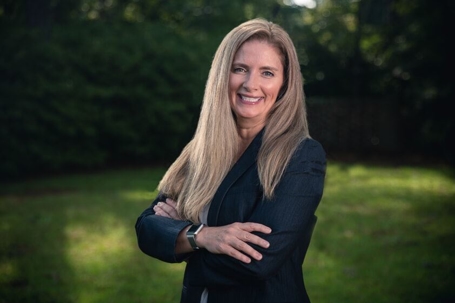
Our founding partner, Tiffany Provence, served as Dorchester County Probate Judge and Associate Judge before forming our firm. She also teaches and writes about probate, wills and trusts, fiduciary administration, and related legal topics.
Probate & Estate Administration Experience
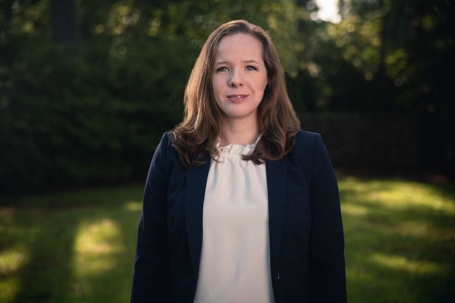
David Causey joined our firm after serving as a law clerk for the Dorchester County Probate Court. His practice includes estate planning, estate administration, probate litigation, and real property matters. This combination of planning and administration experience helps our team evaluate both the immediate document choices and the responsibilities that may arise later.
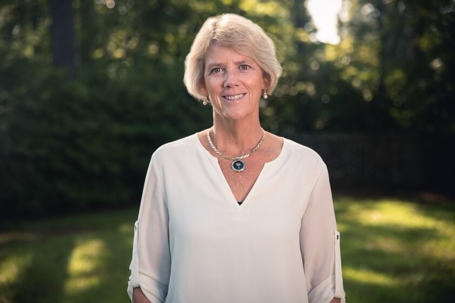
Jim Messervy brought experience as a former judge and solicitor to our firm. Today, our clients work with a team of legal professionals who bring public-service and private-practice perspectives to estate matters.
Our attorneys also consider potential disputes among heirs, property in more than one jurisdiction, and questions involving estate administration. We balance legal analysis with attentive communication so clients understand the plan and the responsibilities assigned to the people they name.
Client-Focused Planning
Clients choose us for:
- Probate-Court Perspective: Our team includes attorneys with judicial and probate-court backgrounds relevant to wills, trusts, estate administration, and contested matters.
- Personalized Planning: We develop legal strategies around each client’s family, property, decision-makers, and stated goals.
- Clear Communication: We explain document terms, implementation steps, and future review considerations without treating estate planning as a one-size-fits-all transaction.
- Team-Based Guidance: Our attorneys draw on experience across estate planning, probate, real property, and related legal matters.
We encourage clients to ask questions about the documents, legal fees, the planning process, and the level of involvement they prefer.
Contact us or call (800) 914-0620 to arrange your consultation with our North Charleston estate planning team.
Frequently Asked Questions
What Does Estate Planning Include?
Estate planning is the process of organizing how property and personal affairs should be handled during incapacity and after death. It commonly involves wills, trusts, financial powers of attorney, health care powers of attorney, advance directives, and beneficiary designations. The appropriate documents depend on your family, assets, decision-makers, and goals.
Why Is Estate Planning Important?
Estate planning lets you record who should receive property, who should manage financial or health care decisions, and who should serve in important administrative roles. Parents may also nominate guardians for minor children. Clear documents can provide direction, but their legal effect depends on proper drafting, execution, ownership arrangements, and implementation.
How Often Should I Update My Estate Plan?
Review your plan after major changes rather than relying on a fixed interval. Marriage, divorce, birth, adoption, death, incapacity, relocation, significant property changes, business restructuring, or changes in applicable law may affect existing documents. A review can determine whether amendments, replacements, or implementation updates are appropriate.
What Happens If I Don’t Have an Estate Plan?
Property in your probate estate may be distributed under South Carolina intestacy law if you die without a valid will. Those statutory distributions may differ from your preferences. Incapacity decisions may also require additional legal steps when valid financial or health care authority hasn’t been established in advance.
Does Every Asset Have to Go Through Probate?
No. Whether an asset requires probate depends on factors such as ownership, beneficiary designations, trust funding, and the type of property involved. A will generally controls probate assets, while jointly owned or designated-beneficiary property may pass under other arrangements. Each asset should be reviewed individually.
Can Estate Planning Address Tax Concerns?
Estate planning may involve tax considerations, but the appropriate analysis depends on the size and type of the estate, ownership arrangements, transfers, and current law. Legal, tax, and financial professionals may address different parts of that analysis. We can evaluate the estate documents and identify issues that may require advice from another professional.
What Should I Bring to a Consultation?
Bring any existing wills, trusts, powers of attorney, health care directives, deeds, business documents, and a basic asset inventory when available. A list of intended beneficiaries, potential decision-makers, and questions can also help focus the meeting. You don’t need to have every detail resolved before contacting us.
Call (800) 914-0620 or submit an online form to discuss your estate-planning needs.


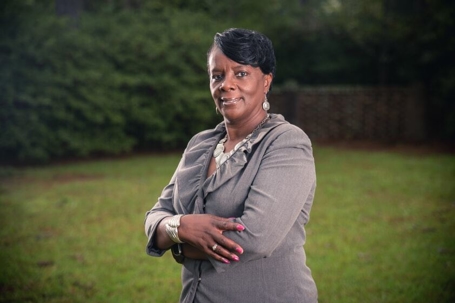
Meet Our Team
Experience, Care, and Respect


Client Reviews
Opinions That Matter Most
-
Dedicated, honest and puts clients interests above their own
Tiffany and her team worked countless hours on my father's estate. We all knew from the beginning there was no hidden ...
Donna S -
"This aspect of our journey has been the very least of our worries, thanks to Tiffany and her team at Provence Messervy."
After receiving a cancer diagnosis in 2016, I contacted Provence Messervy to ensure my family was taken care of regardless of ...
Dominic L. -
"Working with the legal team of Provence Messervy Law Firm was awesome!"
Working with the legal team of Provence Messervy Law Firm was awesome! They definitely made me feel more than just a client!
Daniel P. -
"Tiffany explained everything in layman's terms so we better understood how the law works. I would definitely recommend her to others and consult with her again."
My family and I consulted Tiffany about several issues including probate. She was incredibly helpful, patient, and kind. ...
Dawn -
"Tiffany will inform you of what she honestly expects out of your case and always has you kept up to date with what's going on with your case."
Tiffany cares about her clients. She will inform you of what she honestly expects out of your case and always has you kept up ...
Lee -
"Their excellent customer service and willingness to go the extra mile makes me feel like a valued customer."
Tiffany Provence and the entire team at Provence Messervy have provided me with the best professional advice at some of the ...
Robert J. -
"We were very pleased with David's professionalism and personal manner."
David Causey has assisted Colin and me with a new will and several other legal matters. We were very pleased with his ...
Sandra A. -
"Mr. Causey listens, makes great recommendations and guidance and seems genuinely interested in how best to move forward with your best interest!"
WHAT AN EXPERIENCE! Mr. Causey is a really nice change to the legal arena. He listens; He asks great questions; seems to know ...
Frank S.
Prepare for Your Estate Planning Consultation
PMC Law Firm provides estate planning consultations for North Charleston clients who need to create or update wills, trusts, powers of attorney, and related documents. Our attorneys bring estate-planning and probate-court experience to the meeting, helping you identify the decisions that require immediate attention and the information still needed before drafting begins.
You don’t need to arrive with a completed plan. A short list of questions, a basic asset inventory, and any prior estate documents can make the initial discussion more productive. We can review your goals, explain which legal documents may apply, and identify any ownership or beneficiary updates that may be needed.
Helpful information to gather includes:
- Existing wills, trusts, powers of attorney, health care directives, and amendments
- Names of intended beneficiaries and possible personal representatives, trustees, guardians, or agents
- Basic information about real estate, financial accounts, retirement benefits, insurance, and investments
- Information about family businesses, inherited property, or assets located outside South Carolina
- Current beneficiary designations and jointly owned property when available
- Questions about incapacity, probate, family relationships, or future administration
During the consultation, we can discuss how your proposed documents may interact with jointly owned property, trusts, retirement accounts, insurance benefits, and later probate administration. We also distinguish the legal questions we address from tax, investment, insurance, and financial matters that may require guidance from another professional.
If you’re updating an existing plan, bring the complete documents rather than summaries when possible. We can evaluate whether changes in family circumstances, property, business interests, decision-makers, or residency warrant amendments or replacement documents.